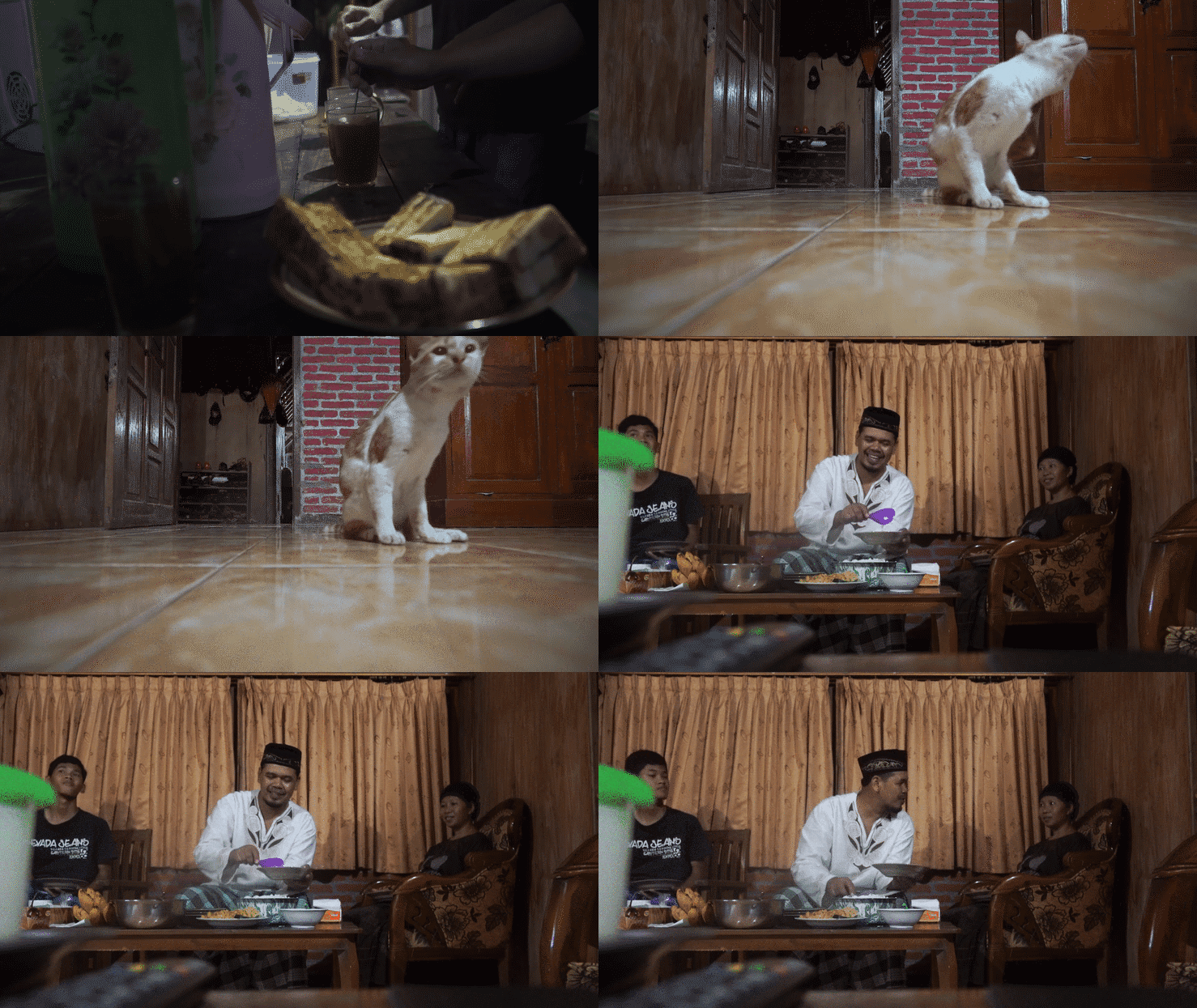
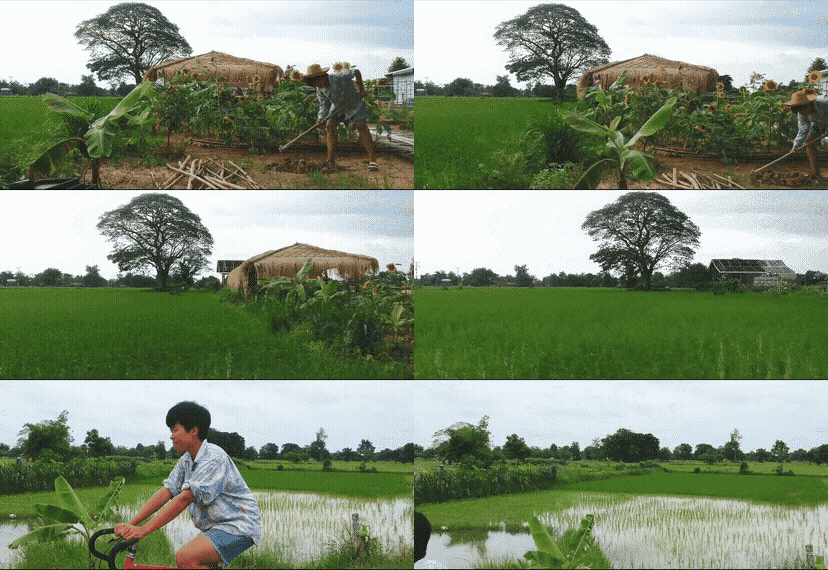
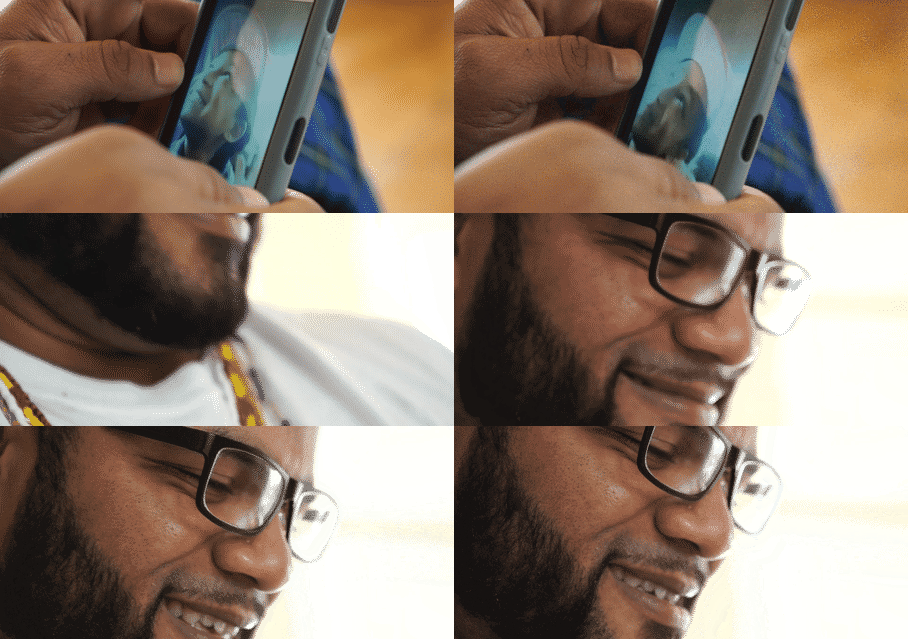
Wordless films of real people from all over the world, for ages 0 to 5. No reading needed. Led by the grownup who chooses what a young child sees. Free to start.
TL;DR
In the early years, roughly ages zero to five, a child’s view of other people first takes shape. reweave offers short wordless films of real people from around the world, with no reading needed, for a grownup to watch alongside a young child and talk about together.
There is no narration and no text on screen, so a toddler and a five-year-old can both watch and understand, and the reading happens only in the grownup’s voice. Meeting a wide range of real people, early and often, helps keep a small world from staying small.
Every film is free to watch on a free account. Reweave, Inc. is a registered 501(c)(3) nonprofit based in the United States.
Published by the reweave team · reweave.org · Updated June 2026
Every child starts with a small world. In the first months of life, babies already look longer at unfamiliar faces and lean toward the ones they know. By the preschool years, children have quietly sorted the world into people who feel like "us" and people who feel like "them," well before they start kindergarten. Researchers who study how children grow call these early years a starting point, the moment a person's sense of who belongs first takes shape.
Children are not born thinking this way. They are born watching. They learn from the faces around them, from who their grownups light up for and who they walk past, from a hundred small signals no one says out loud. A child's picture of the world is built from what the world shows them. And for most young children, what the world shows them is very few kinds of people.
The same research points to something hopeful, and refreshingly simple. The thing that keeps a small world from staying small is meeting a lot of real people, early and often. When a young child gives real attention to a face, a pair of working hands, a home, a whole day unlike their own, "them" slowly becomes another "us." The years a child's view of people is forming are exactly the years to make that view a wide one.
That is what reweave is for. Not a screen to hand a toddler, and not a lecture about being kind. A few quiet minutes where a grownup and a young child watch a real person live a real day, and talk about what they notice. Curiosity, practiced early, before quick judgments have a chance to harden into something a child stops questioning.
This draws on long-standing developmental research into how young children come to understand people, and on a tradition of early childhood thinkers who have written about windows and mirrors: the idea that every child needs to see both their own world and other worlds. reweave is a tool in service of that work, in our own plain words. We steer clear of the political fights over what to call it. The point is older and simpler than any of that.
A child who has truly met someone from across the world has a harder time, later, believing they are strangers.
No reading barrier. No lecture about differences. Just real people, real attention, and a conversation that a three-year-old and a five-year-old can each meet in their own way.
The films have no narration and no text. A two-year-old understands as much as a five-year-old, because the language is faces, hands, and daily life.
A child sees an actual person in Ecuador, Indonesia, or India, living a real day. Real faces widen a small world in a way no illustration can.
This is not a screen to hand over. You watch together, point, and name what you see. The whole value is in the few minutes you share.
A film is a few minutes. With little ones, stop while it is still delightful. There is nothing to finish and no right length.
Four real people from the library, and a simple thing you might say to a four-year-old while you watch together.
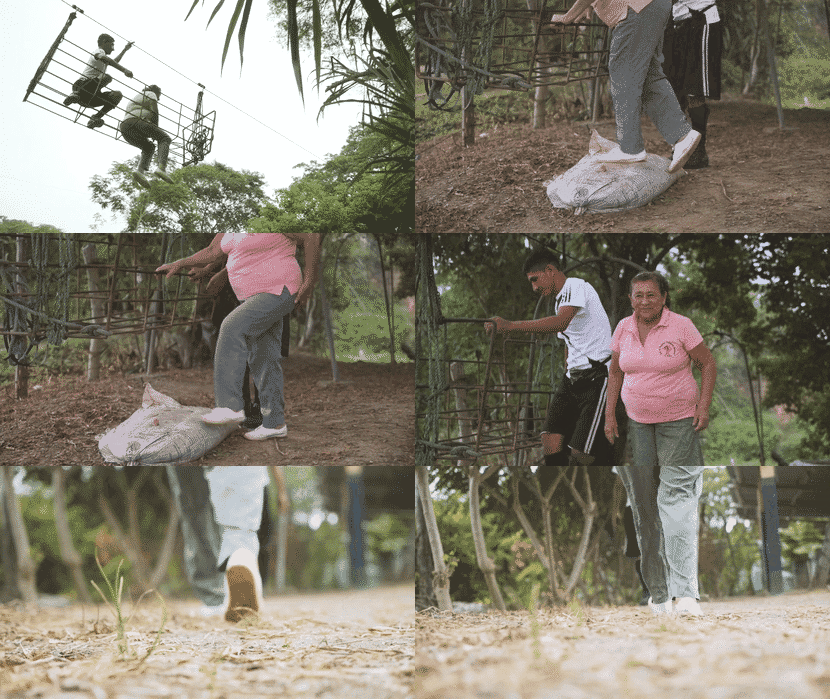
Norma sorts and carries bananas on her family farm. A young child can count them, name the colors, and watch how she works with her hands.
Pak Paryono gathers the sweet coconut sugar that farmers bring to him, and hosts big community celebrations. Watch his hands. Talk about working together and sharing.
Areeya tends plants and cares for the land. A young child can spot the green growing things and talk about where their own food comes from.
Divine makes and dreams and builds. Watch together and wonder out loud about what he is making, and what your child would make.
No prep, no script. Three gentle moves, and the child does most of the work.
Pick a person and play their short wordless film. Sit close. Let the child point and react. You do not need to explain anything.
Name what you both see. "Look at her hands." "Those trees are so tall." Noticing is the whole skill, and little ones are great at it.
Ask one easy question and follow where it goes. "I wonder what that tastes like." There are no wrong answers, and no need to finish.
My daughter watched the banana farm and asked if the lady was someone's mom. We talked about it for the whole drive home. She is three.
These open in a new window so you can come back here. No account needed to watch a film.
Type something a little one is curious about, and meet a real person whose day connects to it. The film is free to watch.
Open the finder →Set the age to your youngest learners and tell it what you are exploring. It drafts a short, talk-based plan built around a real person, no reading or writing for the child, just watching and wondering together. Yours to shape.
Try the weaver →A short tour of how reweave works, from a single face to a wall of real people from all over the world.
Take the tour →Calm, practical writing for the people doing the work at home and in early classrooms.
The early years are when a child decides who counts as "us." A calm, practical way to make that picture a wide one, with real people instead of lectures.
Read the essay →Not a replacement. What changes when a young child meets a real face on a real day, alongside the picture books you already love.
Read the essay →A calm five minutes for morning meeting. Real people, no reading required, plenty of noticing together. A practical guide for preschool teachers.
Read the essay →Curiosity is a habit, not a trait. How to keep it alive in the years before kindergarten, mostly by protecting the questions a child already has.
Read the essay →Pick a story. Watch it with your little one. See what they notice. Widening a child's world starts with a single face.